



Blog
We’re glad you’re here!
Breathe deeply, grab your preferred coffee mug, and look through our blog.



How DORA Impacts ICT Service Providers to EU Financial Firms

Hazel Nguyen
February 12, 2026
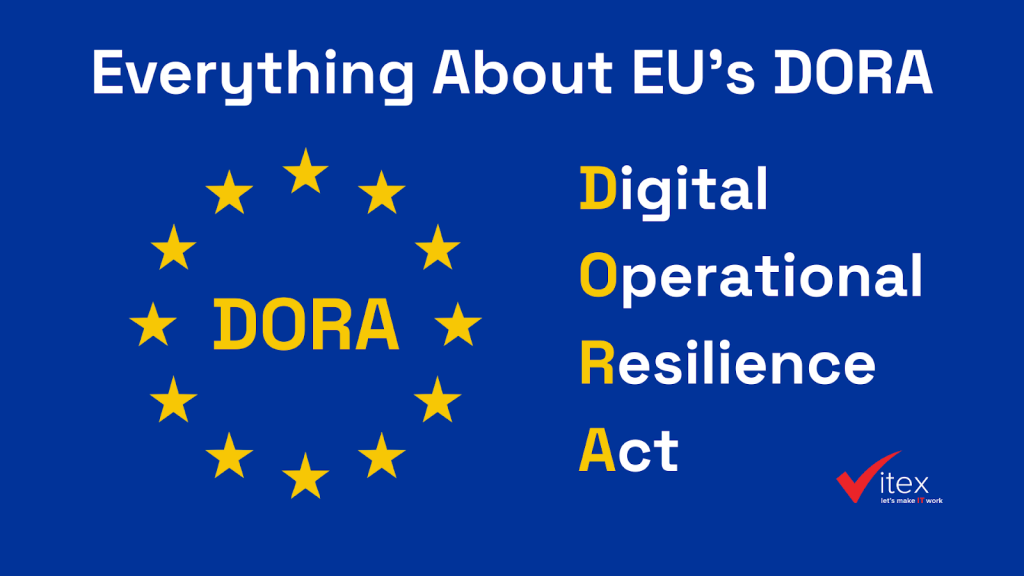
The EU’s Digital Operational Resilience Act (DORA) represents a major shift in how digital operational risk is regulated across the financial sector. It’s not a guideline or optional framework, it’s an EU regulation that became applicable on 17 January 2025 and sets binding rules for financial entities and their technology partners to manage and endure ICT disruptions.
If you’re an IT leader, whether you come from technology, risk, compliance, or business operations, DORA isn’t something to relegate to legal or compliance teams alone. The regulation touches core systems of your businesses, vendor ecosystems and incident processes that your organisation relies on every day.
This post will highlight key information on:
- Why tech leaders working in and with EU must know about DORA
- Five core compliance areas outlined by DORA
- What this means for the EU, for their sustainable development
Why DORA Matters
Digital systems now underpin nearly every part of financial services, from customer onboarding and payments processing to risk modelling and cloud-based applications. That deep reliance creates systemic vulnerabilities: a cyberattack, cloud outage or supply chain disruption can ripple across institutions and markets. DORA aims to control how these risks are managed across the EU’s financial ecosystem and ensures that resilience isn’t an afterthought.
For IT leaders, this means understanding that DORA is not a box-ticking exercise. It’s a comprehensive operational and risk management framework that affects how you organise teams, structure vendor relationships and govern critical digital capabilities.
What DORA Requires – 5 Pillars for Dora Compliance
At its core, DORA sets out requirements across several domains that directly implicate technology and operational planning.
- ICT risk management and governance: Boards and senior management must own ICT risk strategies. The first task: ensure risk assessments, asset inventories and governance structures are up to date and integrated with business decision-making. This isn’t just documentation but making sure risk management is part of your usual business work.
- Incident detection and reporting: When ICT disruptions happen, whether cyberattacks, outages, or data issues, DORA requires structured classification and reporting to competent authorities. IT teams need robust detection, logging, and escalation processes that can meet regulatory timelines and evidence expectations.
- Operational resilience testing: Regular testing isn’t optional. Basic tests like vulnerability scans and scenario exercises should be routine, and larger entities face advanced penetration tests such as TLPT (Threat-Led Penetration Testing). These tests must stress systems and reveal hidden weaknesses before a real incident does.
- Third-party risk management: One of DORA’s most impactful aspects is its focus on your service providers. Cloud platforms, data centres, and technology service providers that support critical systems now fall under scrutiny. You must map and manage dependencies, understanding who your critical providers are and how their failures affect your services.
- Information sharing: DORA encourages structured and responsible sharing of cyber-threat intelligence among financial entities. This includes exchanging information on emerging threats, vulnerabilities, attack patterns and defensive techniques through trusted networks. The goal is to improve collective awareness and reduce the impact of ICT risks across the sector. For IT leaders, this means formalising channels, ensuring data-sharing agreements are compliant.
For ICT service providers, DORA introduces a higher bar of accountability. You may be required to demonstrate resilience capabilities, undergo audits, support TLPT testing, and provide transparency into subcontractors. This changes how providers structure Service Levels Agreements, incident reporting obligations and exit plans when serving EU financial institutions.
Beyond Compliance: Building Resilience
DORA’s intent isn’t just to enforce standards but to foster a resilient mindset. Compliance that stops at checklists won’t protect your organisation or your customers. Resilience requires investment in technology, processes and, importantly, experts who understand risk and can act on it. The work you do now to embed resilience will pay dividends when disruptions occur, including faster recovery and reduced operational impact.
Moreover, major technology players have already been designated as critical ICT third-party providers under DORA, signalling that regulators are serious about oversight beyond financial institutions themselves.
Final Thoughts for IT Leaders
Your role in DORA readiness goes beyond compliance reporting. Your businesses are central to shaping a digital resilience posture that aligns regulatory requirements with business risk appetite. Start by building clarity around your ICT landscape, strengthen incident response mechanisms, and elevate vendor risk discussions into strategic conversations. By doing so, your organisation won’t just meet DORA requirements, it will operate with resilience at its core.Need a quick gap-check of your vendor contracts under Article 30 or help designing a practical exit strategy? Vitex can support you in assessing exposures, updating documentation, and aligning your third-party landscape with DORA requirements.





WRITE A COMMENT