



Blog
We’re glad you’re here!
Breathe deeply, grab your preferred coffee mug, and look through our blog.



What is Domain-specific LLM? Overview about DSLLM

Hazel Nguyen
February 11, 2026
Most leaders today know the power of large language models. But few realize we’re moving toward a new phase: Domain-Specific LLMs (DS-LLMs): models that truly understand your business the way your experts do.
Before we get there, let’s set a simple definition.
What Is a Domain-Specific LLM?
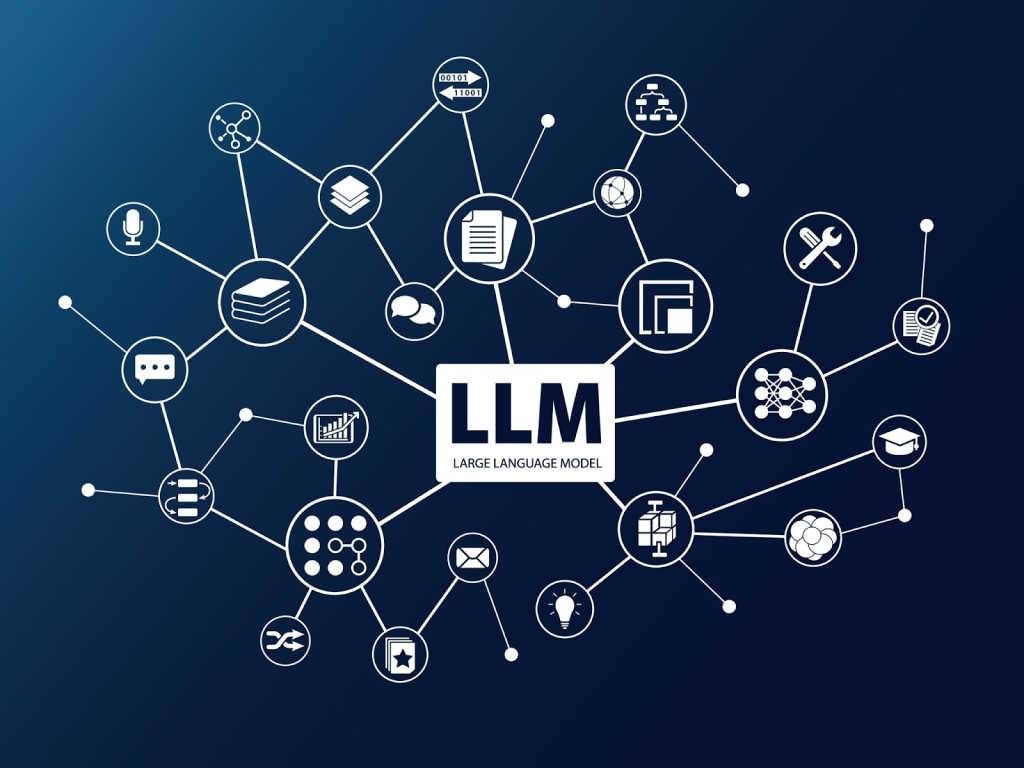
According to IBM, a domain-specific LM is a large language model (LLM) that has been trained or fine-tuned to specialize in a specific field or subject area, allowing it to perform domain-specific tasks more accurately and efficiently than a general-purpose LLM.
It’s the AI equivalent of a Domain-Specific Language (DSL).
Microsoft defines a DSL as a language built around the key concepts, constraints, and relationships of a specific domain. Industries have used DSLs for decades:
- SQL for databases
- Regular expressions for text
- Call-flow DSLs for telecom
- Booking DSLs for airlines
- Airport baggage-routing DSLs
A Domain-Specific LLM applies the same idea, except instead of giving you a new “language” to learn, it gives you an AI that already understands how your business works.
How DS-LLMs Work
DS-LLMs work similarly to how DSLs work, based on Microsoft interpretation:
1. Identify the important concepts in a domain
(booking, claim, conveyor belt, policy, SKU, pipeline stage…literally any domain)
2. Define the relationships and constraints
(a claim can’t reference itself, a routing belt must connect A → B, a policy must include coverage…)
3. Collect real examples of decision-making
(emails, tickets, workflows, SOPs, logs, reports, code, CAD diagrams…)
4. The LLM is trained/fine-tuned on this domain model
It can generate: decisions, recommendations, explanations, documents, configs, flows, code, or next steps.
Why Decision Makers Should Care
Domain-Specific LLMs lead to three very practical business outcomes:
1. Better Reliability
The model doesn’t hallucinate because it operates inside domain rules, the same way to how DSLs prevent invalid combinations.
2. Faster Delivery
Teams do not have to reinvent the same logic. Code, docs, workflows, and interfaces can be generated from the domain-trained model.
3. Easier Change Management
When policies, pricing, or routing rules change, you update the domain model once. Everything downstream updates automatically.
If your business deals with repeating logic, DS-LLMs quickly become a force multiplier.
Examples Across Industries
A DS-LLM has the ability to understand structure, context and core knowledge. These fields are where A DS-LLM can be effectively applied:
- Insurance: Policies, coverages, exclusions
- E-commerce: Product catalog, inventory logic, order states
- Manufacturing: Machine states, maintenance sequences
- Finance: Risk models, compliance constraints
- Airports: Conveyor networks, transfer rules, choke points
- Healthcare: Protocols, diagnosis pathways, coding rules
A Practical Starting Point
Most organizations begin with:
- One domain (claims, routing, internal support…)
- A small set of rules and examples
- A fine-tuned model
- A feedback loop with domain experts
The setup can be complicated and time consuming at the beginning, however, when things go in place, leaders can experience a significant enhancement on efficiency.
The Bottom Line
General LLMs are good for demos, but Domain-Specific LLMs are what really improve operations. They reduce errors, make decisions more consistent, and help teams work from the same logic.



WRITE A COMMENT