
Blog
We’re glad you’re here!
Breathe deeply, grab your preferred coffee mug, and look through our blog.



How Vitex Builds Continuous Learning Culture

Hazel Nguyen
March 20, 2026
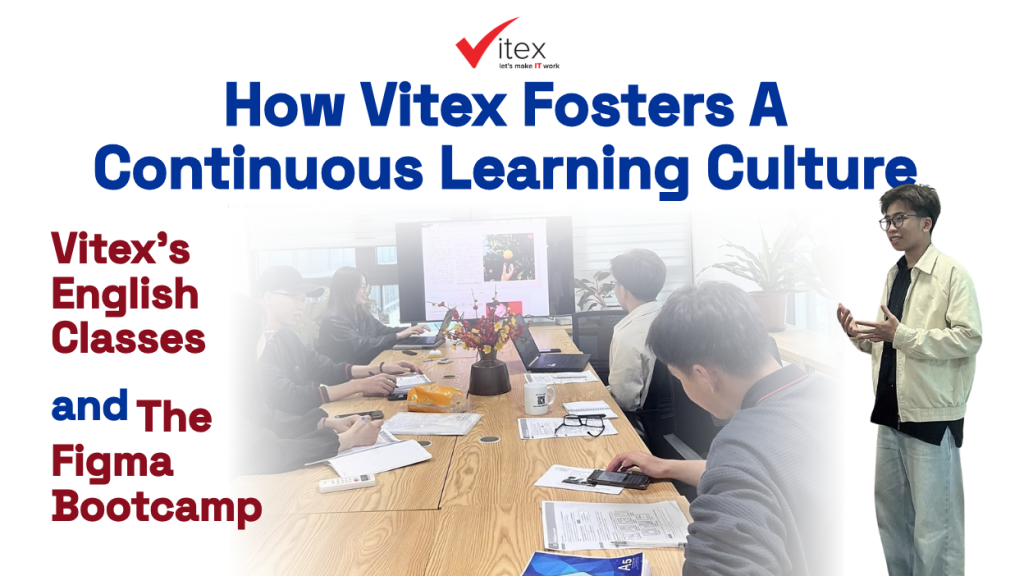
Creating a strong learning culture is no longer a “nice to have” for tech companies. It’s a strategic advantage. At Vitex, this belief is operationalized through practical, recurring programs that strengthen both technical and communication capabilities. Two of the most impactful initiatives are our English Classes and our internal Figma Bootcamp. Together, they create a system where upskilling is not occasional, it’s built into how teams work and grow.
Why Continuous Learning Must Be a Company System
Tech leaders today face a challenge that isn’t purely technical: rapid changes in tools, markets, and global collaboration. This requires teams who can adapt quickly, communicate effectively, and contribute beyond their core roles.
However, a learning mindset doesn’t emerge spontaneously. It needs structure, consistency, and leadership support. That’s why Vitex embeds learning programs into normal work cycles for members in need. The goal is simple: reduce skill gaps, increase confidence, and create teams that can take on more complex work over time.
How English Classes Strengthen Collaboration
English proficiency directly affects how our teams operate, especially in outsourcing and global product environments. Vitex runs two consistent programs: a general English class and a 1:1 English Class for certain members, which focuses on practical communication for real work situations.
These sessions go beyond grammar. They help engineers express ideas clearly, handle client discussions more confidently, and reduce miscommunication in cross-functional work. Over time, this leads to smoother delivery and better relationships with international partners.
For a tech leader, the outcome is measurable: fewer communication bottlenecks and a team that can contribute independently on global projects.
How the Figma Bootcamp Builds Cross-Functional Capability
Design skills are no longer reserved for designers. Engineers, QA, PMs, and even business teams benefit from understanding product structure and user flows.
Vitex’s Figma Bootcamp was created for this purpose. It gives team members hands-on space to learn modern design tools, experiment with UI/UX basics, and collaborate on real internal mini-projects.
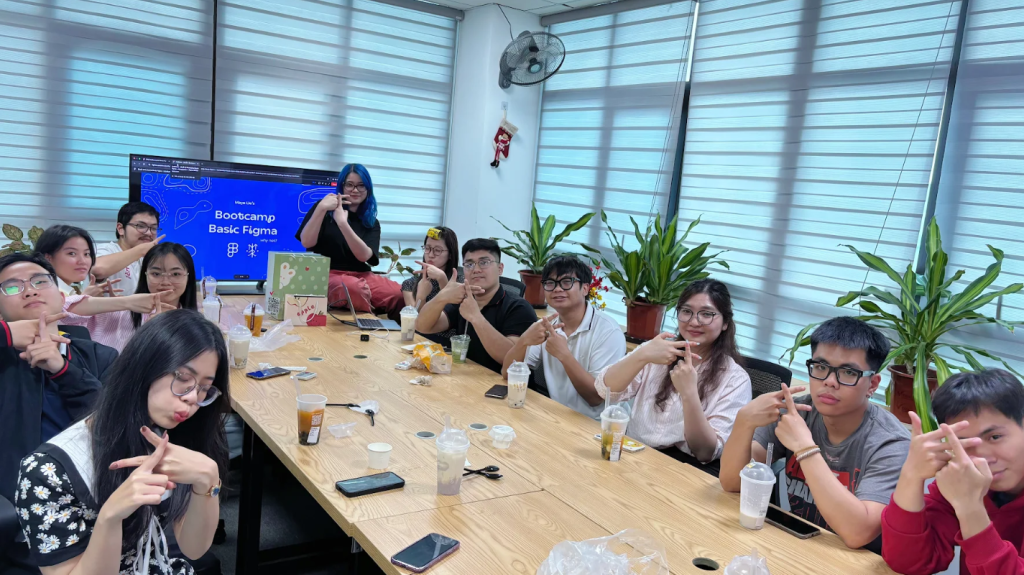
This improves implementation accuracy, reduces back-and-forth with design teams, and strengthens product thinking across the company. More importantly, it unlocks new career paths for team members who want to diversify their skills.
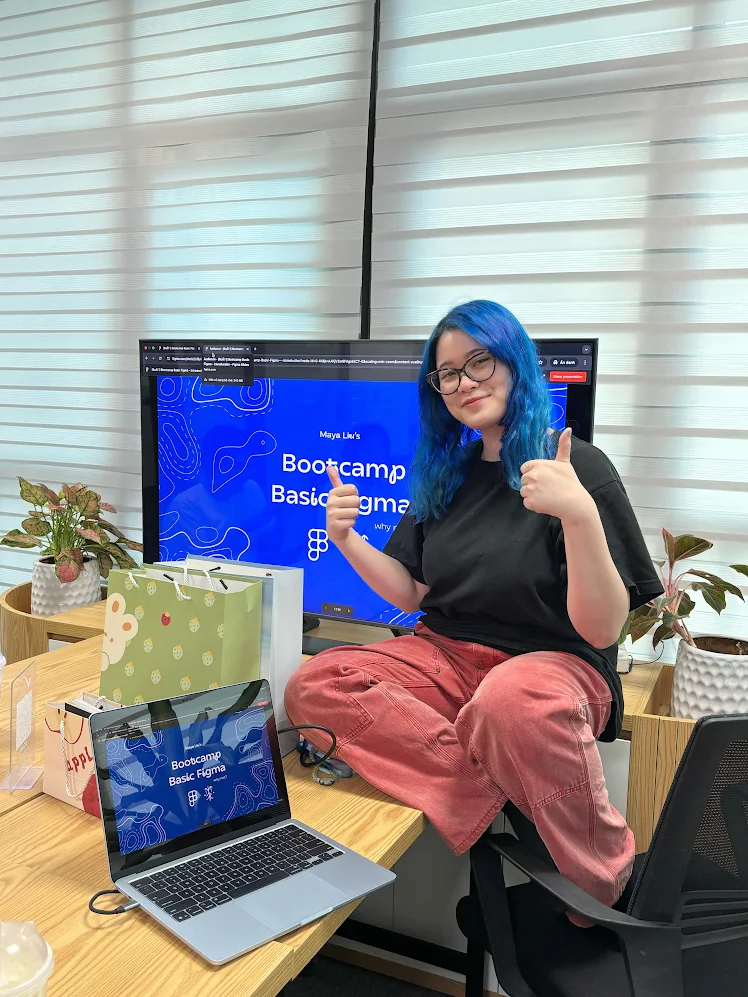
Maya – our product designer – who hosts Bootcamp Figma
The Hidden Benefit: A Stronger Culture
Beyond technical improvements, these programs reinforce a core belief inside Vitex: growth is expected, supported, and shared. When people learn together every week, they form tighter bonds and feel more ownership over their development. Leaders also gain better visibility into potential, motivation, and future roles.
This creates a meaningful cycle: improved skills → higher confidence → better performance → stronger culture.
A Practical Takeaway for Tech Leaders
Continuous learning only works when it becomes part of the workflow, not an afterthought. What Vitex does effectively is design small, frequent, and purpose-driven programs that are easy to maintain and genuinely useful for day-to-day work.
If you’re considering building your own learning culture, start with two questions:
- Which skills directly improve delivery and cross-team collaboration?
- How can learning be integrated into the weekly rhythm?
Answering these will shape a system that supports your team today and equips them for tomorrow.



WRITE A COMMENT