



Blog
We’re glad you’re here!
Breathe deeply, grab your preferred coffee mug, and look through our blog.



Project Breakdown: Scaling Cross-Border Payments Right

Hazel Nguyen
March 19, 2026
Cross-border payments sound like a wonderful solution until you try to operate them at scale. Different currencies, fragmented providers, and strict compliance requirements quickly turn “just integrate payments” into a complex systems problem.
This project is a practical example of how to solve that problem without overengineering. More importantly, it offers lessons that new teams can apply when building or modernizing financial platforms.
Client’s Problem
Our client operates in financial services, connecting merchants, shops, and users across regions. On the surface, the challenge looked like integration. In reality, it was fragmentation.
Merchants were dealing with multiple payment methods across currencies like Euro, Yuan – two of the most hardest systems to integrate. Each provider had its own logic, reporting structure, and latency profile. At the same time, users expected instant, seamless transactions.
This created a tension that many systems face: how do you unify complexity without slowing everything down?
Why “just add a gateway” doesn’t work
A common instinct is to introduce a new payment gateway layer and standardize everything. But this often creates another bottleneck, especially when real-time processing and compliance are critical.
The client required:
- High reliability with minimal downtime
- Low latency for real-time transactions
- Strict compliance with financial and data regulations
Adding abstraction without understanding the existing system would have increased risk rather than reduced it.
The Solution from Vitex
Instead of forcing a new architecture, the solution aligned directly with existing tech stack.
The system was built on PHP with Symfony (both 4.3 and 6.0), MySQL, and mobile apps using React Native (iOS) and Java (Android). Rather than replacing these components, the team optimized and extended them.
This decision matters more than it seems.
First, it reduced migration risk.
Second, it preserved system stability.
Third, it allowed faster delivery because the team worked within known constraints instead of rebuilding from scratch.
For tech leaders, this is a key takeaway: modernization doesn’t always mean replacement. In many cases, it means disciplined optimization.
Solving operational complexity behind the scenes
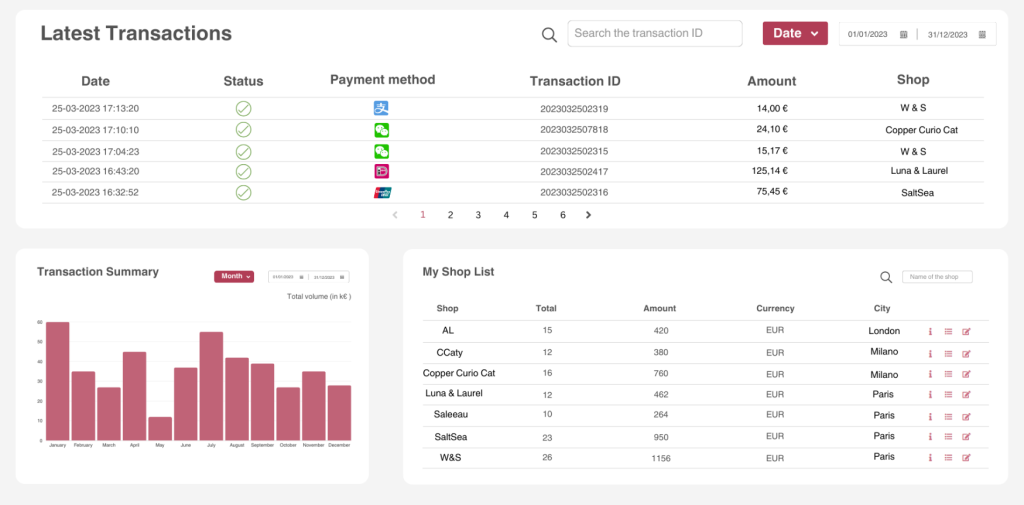
This operational system connects multiple roles: merchants, store operators, IT admins, and internal operations teams. Each group interacts with payments differently, but all depend on consistent, accurate transaction data.
To support this, the system had to:
- Normalize data across providers
- Handle transaction states in real time
- Ensure traceability for audits and compliance
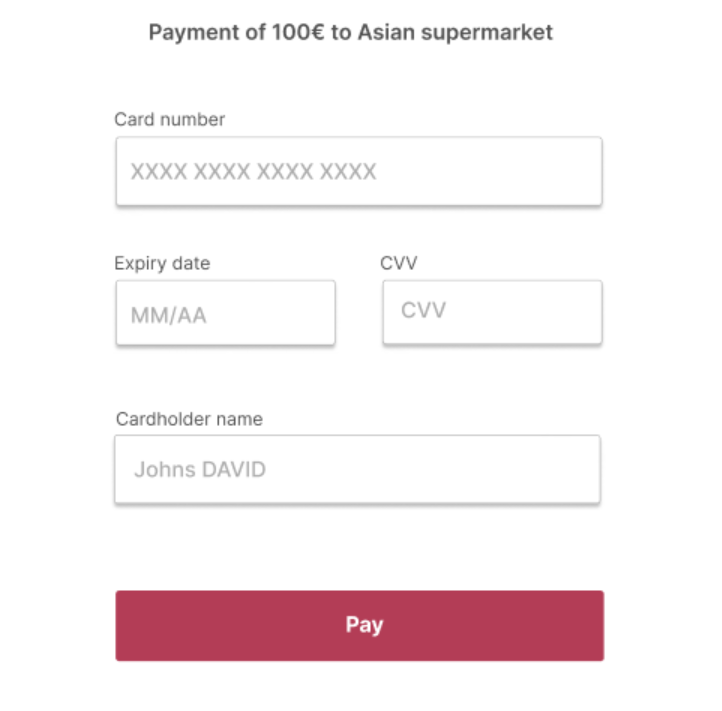
At the same time, the product introduced a Virtual Prepaid Card (VRC) solution using Visa and Mastercard, enabling users to pay globally with a secure, digital-first approach.
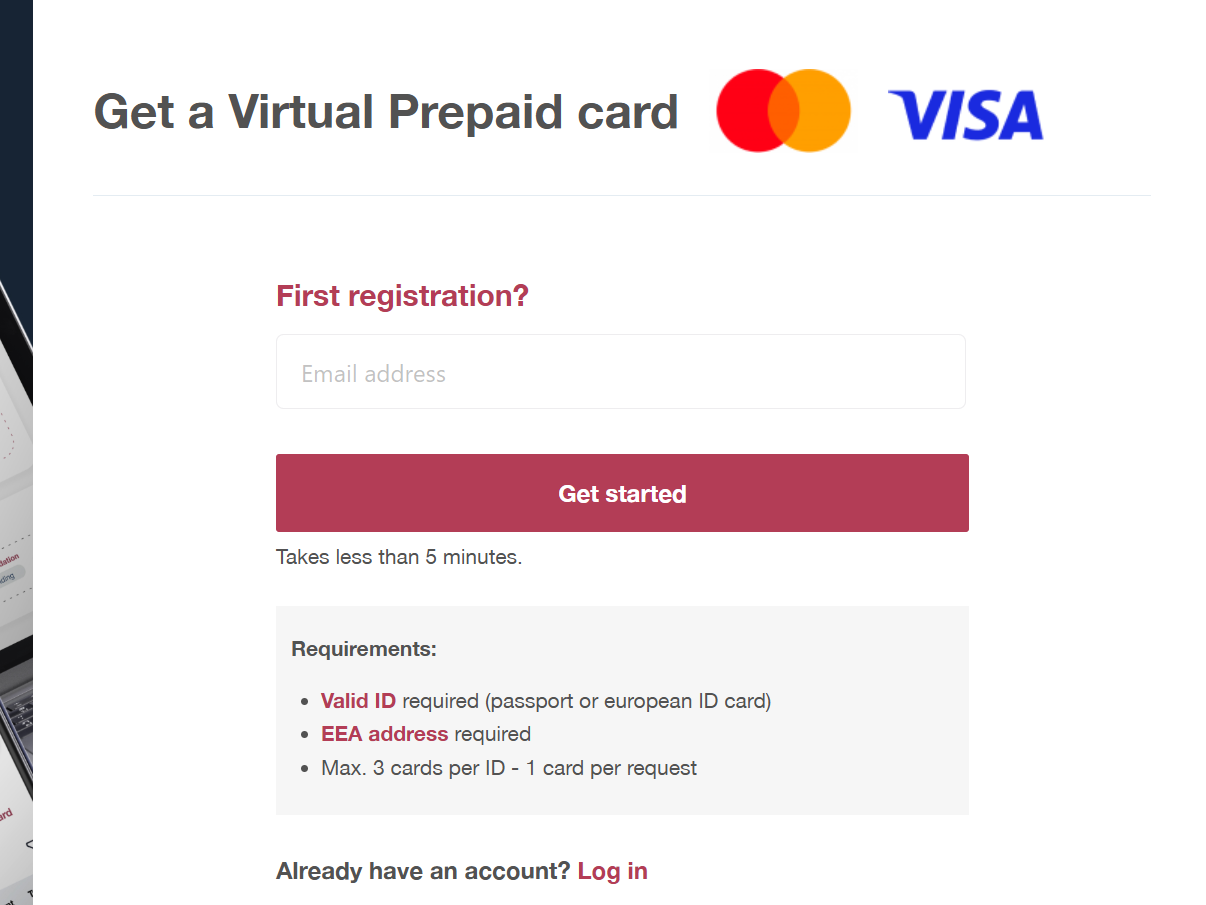
This added another layer of complexity, but also unlocked new revenue and user convenience..
Major Challenges
Two non-obvious challenges shaped the project.
First, third-party communication. Integrating platforms like Alipay and WeChat Pay is not just technical, it involves coordination, documentation gaps, and dependency management.
Our solution: We maintained steady progress by consistently pushing requests rather than waiting passively for updates.
Second, time zone gaps. With distributed teams and stakeholders, delays can compound quickly if communication isn’t structured.
Our approach: A dedicated PM coordinated across time zones, preparing all updates and open questions before overlapping hours. This ensured every shared time window was used efficiently, kept tasks unblocked, and maintained predictable project momentum.
These are execution challenges, often determining whether a project succeeds or stalls.
Small team, high accountability
The project was delivered by a lean team of five, including a tech lead, developers, and business/PM roles from our client side.
This setup worked because responsibilities were clear and tightly aligned with outcomes. Instead of scaling headcount, the focus was on decision speed and ownership.
For leaders, this reinforces a simple principle: team clarity often matters more than team size.
The Product Showcase
Let’s take a look at our product live!

What leaders can take away
The product is now live, processing real transactions in real time. That outcome is important but how it got there is more valuable.
There are three lessons worth applying:
- First, define the real problem before choosing the solution. Fragmentation, not integration, was the core issue.
- Second, respect the existing system. Strategic alignment with the current stack can outperform full-scale replacement.
- Third, execution discipline matters as much as architecture. Communication, coordination, and ownership are what make systems work in production.
Final thought
Most fintech systems don’t fail because of technology choices but because complexity isn’t managed properly.
This project shows that with the right approach, you can unify fragmented systems, maintain performance, and stay compliant without unnecessary reinvention.
That’s what scalable engineering actually looks like in practice. If you are interested in developing software solutions but still struggle with how to scale?



WRITE A COMMENT