



Blog
We’re glad you’re here!
Breathe deeply, grab your preferred coffee mug, and look through our blog.



Alibaba Unveils Next-Gen Chip for Agentic AI: Why It Matters for Tech Leaders

Hazel Nguyen
April 1, 2026

After the launching of OpenClaw, China has marked themselves as highly competent, having the potential to surpass America in the AI race. Currently, Alibaba has just unveiled a next-generation chip designed specifically for agentic AI, marking one of its most strategic bets in years. According to reports from Reuters and CNBC, the chip is built to support autonomous AI agents that can plan, reason, and execute tasks across complex workflows. This is a notable shift from traditional model-centric chips, signaling that Chinese compute infrastructure is rapidly evolving to meet the demands of multi-step, self-directed AI systems.


Built on RISC-V: A Shift Toward Custom, Open Architecture
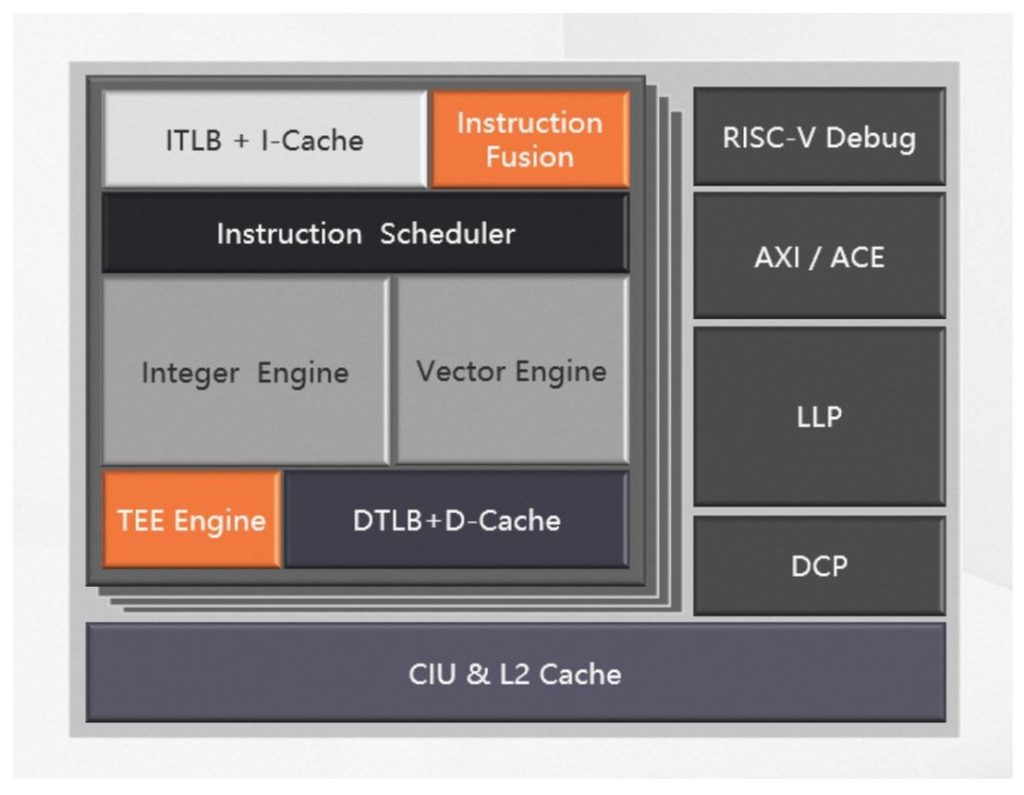
According to a report from South China Morning Post, Alibaba’s latest chip is built on its XuanTie line of RISC-V processors. Choosing RISC-V is not a branding decision, it’s a strategic move toward open instruction-set architectures that allow greater customization and independence from foreign IP licensing.
For tech leaders, this signals a broader industry trend:
- More flexibility in optimizing hardware for industry-specific AI workloads
- Lower long-term chip dependency risk
- A push toward open, modular AI infrastructure designs
This direction aligns with global demand for sovereignty over the AI stack, from model training to the hardware running inference.
Designed for Agentic Workloads, Not Just Faster Inference
Traditional accelerators excel at raw throughput, but agentic AI requires something different:
- Efficient task orchestration
- High concurrency
- Memory-intensive reasoning loops
- Reliable long-running execution
Alibaba’s new chip reportedly addresses these demands head-on. By optimizing instruction pipelines for decision-oriented computation, the chip could reduce latency and cost for AI agents deployed at scale.
If your teams are prototyping agents for operations, support, security, or automation, this class of hardware may reshape both your cost structure and performance expectations.
A Signal of China’s AI Ambition and Supply-Chain Strategy
The timing is notable. As documented by Reuters, China’s push toward self-developed silicon is accelerating, especially for AI and cloud computing. Alibaba’s RISC-V chip fits into a larger effort to reduce reliance on imported architectures amid global tech competition.
For international tech companies, this brings both opportunities and challenges:
- More options in the global AI hardware market
- More diversity in architectures your software must support
- Greater urgency for long-term interoperability planning
Ignoring these shifts risks creating future technical debt, especially for organizations scaling AI across borders.
What Tech Leaders Should Do Now
Enterprises building agentic AI systems should begin mapping scenarios where specialized chips, not just GPUs, become part of their infrastructure strategy. This includes evaluating:
- Workflows where AI agents run continuously
- Cost trade-offs across architectures
- Feasibility of hybrid stacks combining GPUs and RISC-V CPUs
- Vendor diversification to reduce supply-chain vulnerabilities
While it’s still early, Alibaba’s move is a clear signal: the next wave of AI innovation will be driven more by infrastructure.




WRITE A COMMENT