
Blog
We’re glad you’re here!
Breathe deeply, grab your preferred coffee mug, and look through our blog.


Vietnam & Australia: Work Style Compatibility Revealed

Hazel Nguyen
April 3, 2026
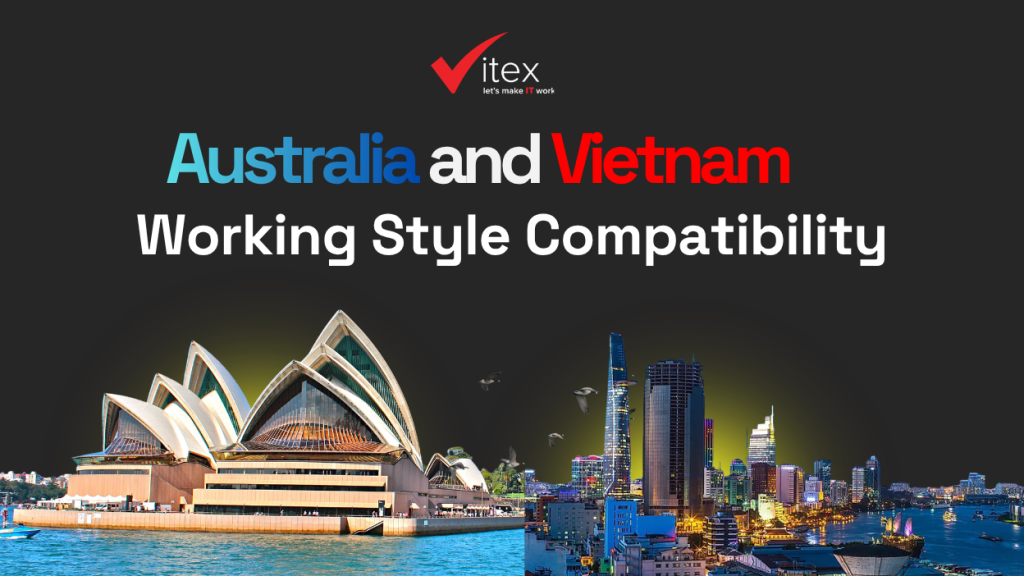
Understanding how different cultures work together isn’t just a matter of curiosity, for tech leaders in a globally competitive market, it’s strategic. When Australian companies collaborate with Vietnamese teams, whether through outsourcing, hybrid development, or joint ventures, many assume the cultural differences will slow progress. The reality, however, is more nuanced: despite apparent contrasts, there are unexpected compatibilities that tech leaders can leverage to build stronger, more productive partnerships.
Working Styles Differences
First, let’s define the core of each culture’s working style. In Vietnam, respect for hierarchy and relationships remains foundational. Decisions often involve senior leaders, and professional interactions are layered with courtesy and indirect communication, helping preserve harmony within teams.
Businesses also place strong emphasis on reliability and long-term commitment, with relationship-building, from informal coffee meetups to extended business lunches, being essential before formal agreements proceed.
Australian work culture, by contrast, emphasises inclusivity, empowerment, and work-life balance. Teams tend to operate with more direct communication: open discussion, direct feedback, and less rigid hierarchy are standard. Australians value outcomes and clear objectives, but they also prioritise leaving work on time, respect for personal boundaries, and flexibility such as hybrid work arrangements.
At first glance, these styles seem divergent, one rooted in respect and hierarchy, the other in autonomy and flat structures. Yet, these differences can become strengths when managed with cultural intelligence.
Where Australian and Vietnamese Align
Work-life balance
Both Vietnamese professionals (especially younger generations) and Australian workers place increasing importance on well-being, flexible hours, and sustainable pace, even if the context differs. Vietnamese teams are adapting toward balanced schedules alongside hard work, while Australian companies institutionalise that priority through policies and norms. Like in Vitex – a prominent Vietnamese ITO, employees enjoy flexible working modes alongside various bonding activities that do not compromise personal time. This shared valuation has created a common ground for collaboration that reduces friction in joint projects.
The respect for structure and rules
Another bridging element is the respect for structure and rules. Vietnamese workers generally show strong adherence to instructions and organizational expectations, a trait that aligns well with Australian workplace standards that value fairness and clear processes. When expectations are made explicit and communicated with mutual respect, teams from both cultures stay aligned and predictable in execution.
Communication Style
Communication differences can actually enhance team performance when understood correctly. Australians’ direct style can speed decision-making, while Vietnamese indirect communication can diffuse conflict and preserve team harmony. Tech leaders who encourage open channels while respecting cultural nuances create environments where both clarity and collegiality thrive.
Innovative Mindset
Perhaps most importantly, both cultures increasingly share a growth mindset in technology and innovation. Vietnamese teams are known for adaptability and eagerness to upskill — trends driven by rapid economic growth and demographic shifts. Meanwhile Australian workplaces embrace diversity and empowerment, creating fertile ground for cross-cultural teams to innovate with trust and autonomy.
Leaders from both regions need to take action
If you’re leading cross-border teams, don’t let stereotypes dictate expectations. Instead, recognise where differences can complement one another:
- Build routines that honour both direct and respectful communication.
- Set clear goals and outcomes, but allow flexibility in how teams organise themselves to meet them.
- Prioritise relationship-building early, it pays dividends in Vietnamese contexts and enhances trust with Australian partners.
- Support policies that foster work-life balance, a shared expectation that drives long-term productivity.
By doing so, you tap into a dynamic collaboration model that blends structure with innovation, respect with autonomy, and dedication with balance, exactly what thriving tech organisations need in a global market.
About Vitex
Want to explore specific best practices for leading Australia–Vietnam hybrid teams?
Vitex – a Vietnam-based tech talent partner trusted by global companies – has helped organisations build high-performing cross-border teams with clarity, structure and cultural alignment.
Contact us for customised frameworks and real case studies on how to scale your Australia–Vietnam collaboration effectively.




WRITE A COMMENT